
5 Reasons Sustainable Baby Gifts Are the New Baby Shower Standard
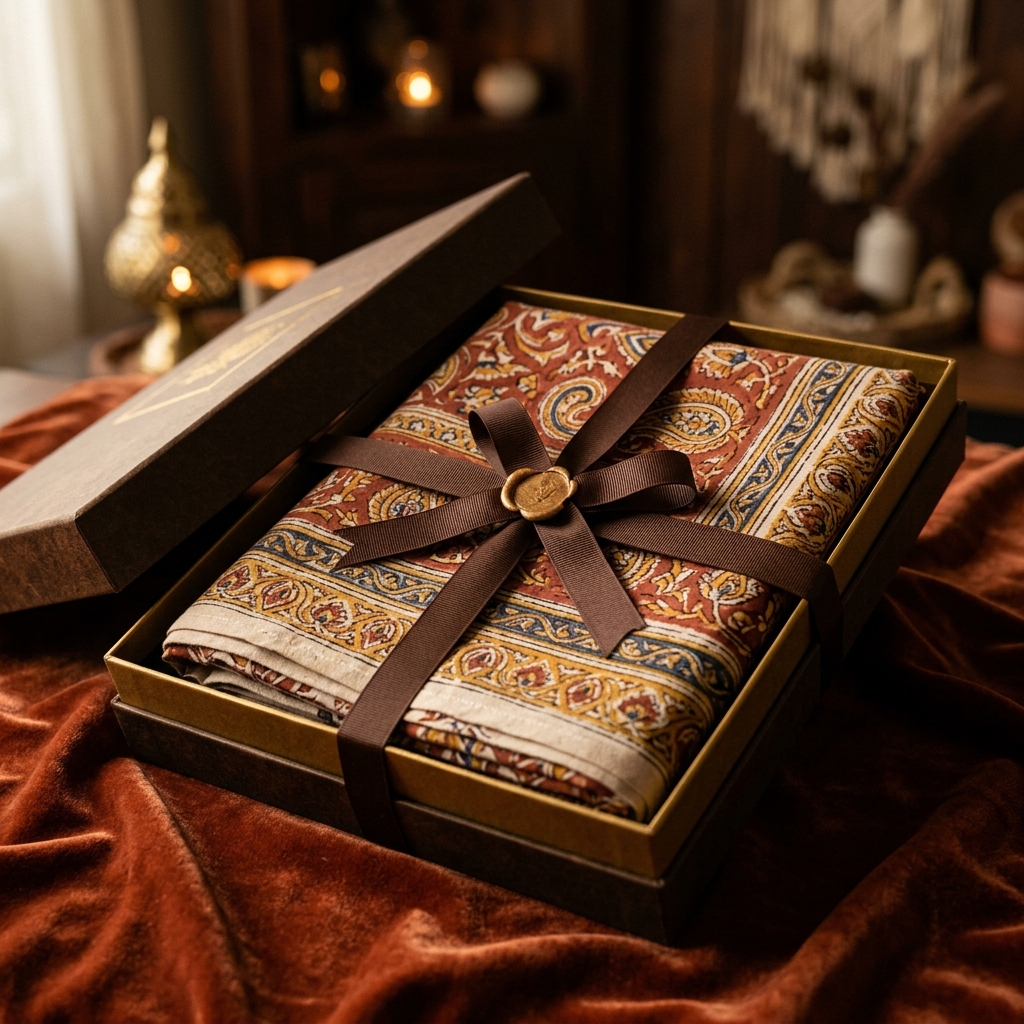
Something fundamental has shifted in the way we celebrate the arrival of a new life. Walk into a baby shower in 2026 and you will notice it immediately: the towers of plastic-wrapped gadgets, the neon-colored synthetic onesies, the battery-operated toys destined for a landfill within six months—they are disappearing. In their place, something quieter and more intentional has emerged.
Modern parents are not merely requesting sustainable gifts. They are insisting on them. Baby registries increasingly feature organic cotton, ethically sourced materials, and heirloom-quality items designed to outlast not just infancy, but childhood itself. This is not a passing trend driven by social media aesthetics. It is a generational reckoning with the true cost of disposable consumption—and it is reshaping the $70 billion global baby products industry from the nursery outward.
1. The Landfill Problem Is No Longer Invisible
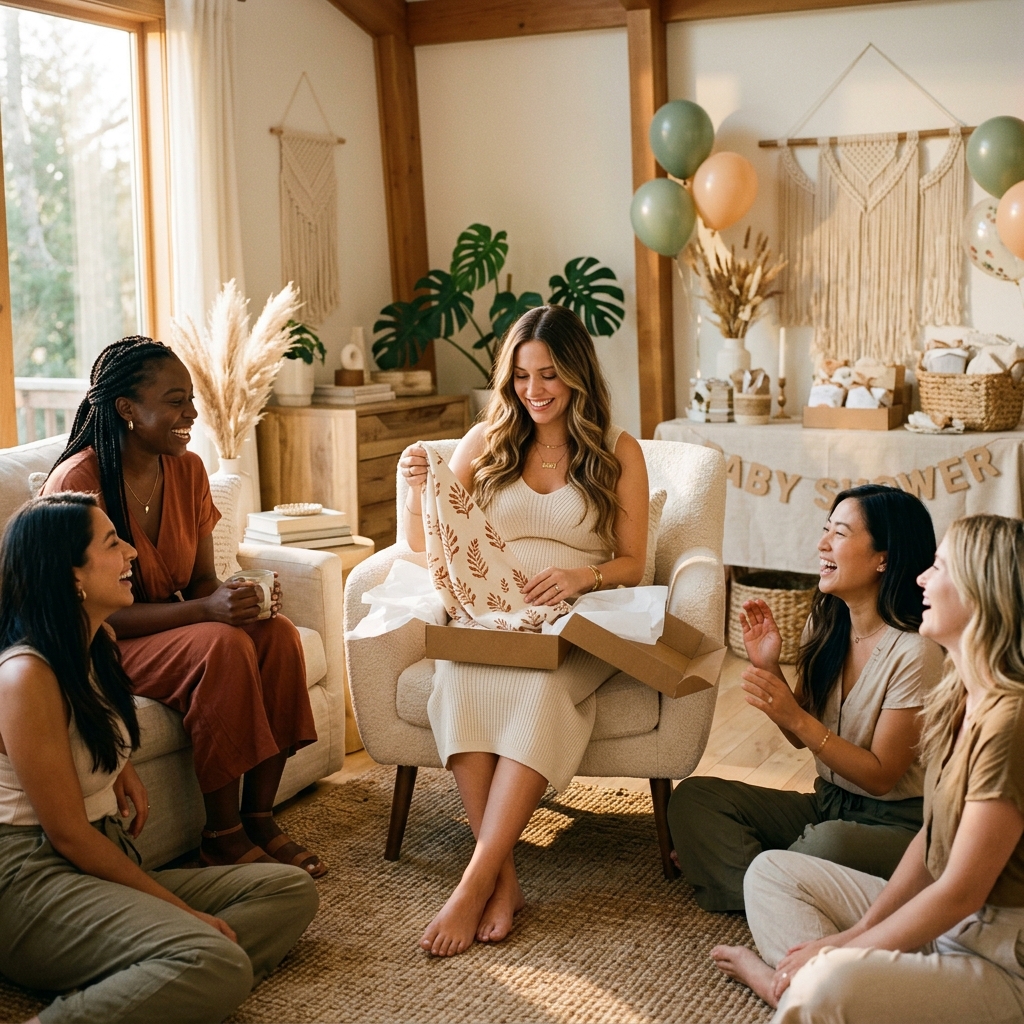
The average American baby shower generates between 15 and 25 gifts. A significant majority of conventional baby shower gifts—plastic rattles, synthetic plush toys, polyester swaddle sets from fast-fashion retailers—have a functional lifespan of less than one year. Many are used only a handful of times before being outgrown, broken, or simply forgotten in a closet.
The destination for these items is, overwhelmingly, the landfill. The EPA estimates that the United States generates over 292 million tons of municipal solid waste annually, and consumer products—including baby items—represent a substantial and growing portion of that figure. Plastic toys alone can take between 500 and 1,000 years to decompose. Synthetic polyester fabrics shed microplastics during every wash cycle, contaminating waterways and, ultimately, drinking water supplies.
The math is bleak, and an entire generation of new parents—raised with climate awareness baked into their education—is no longer willing to ignore it.
2. Heritage Keepsakes Carry Emotional Weight That Plastic Cannot
Ask any parent what they kept from their baby's first year: it is almost never the electronic swing or the plastic bottle warmer. It is the blanket. The first outfit. The soft, worn thing that smelled like their child and lived in the crib through those dreamlike, sleep-deprived early months.
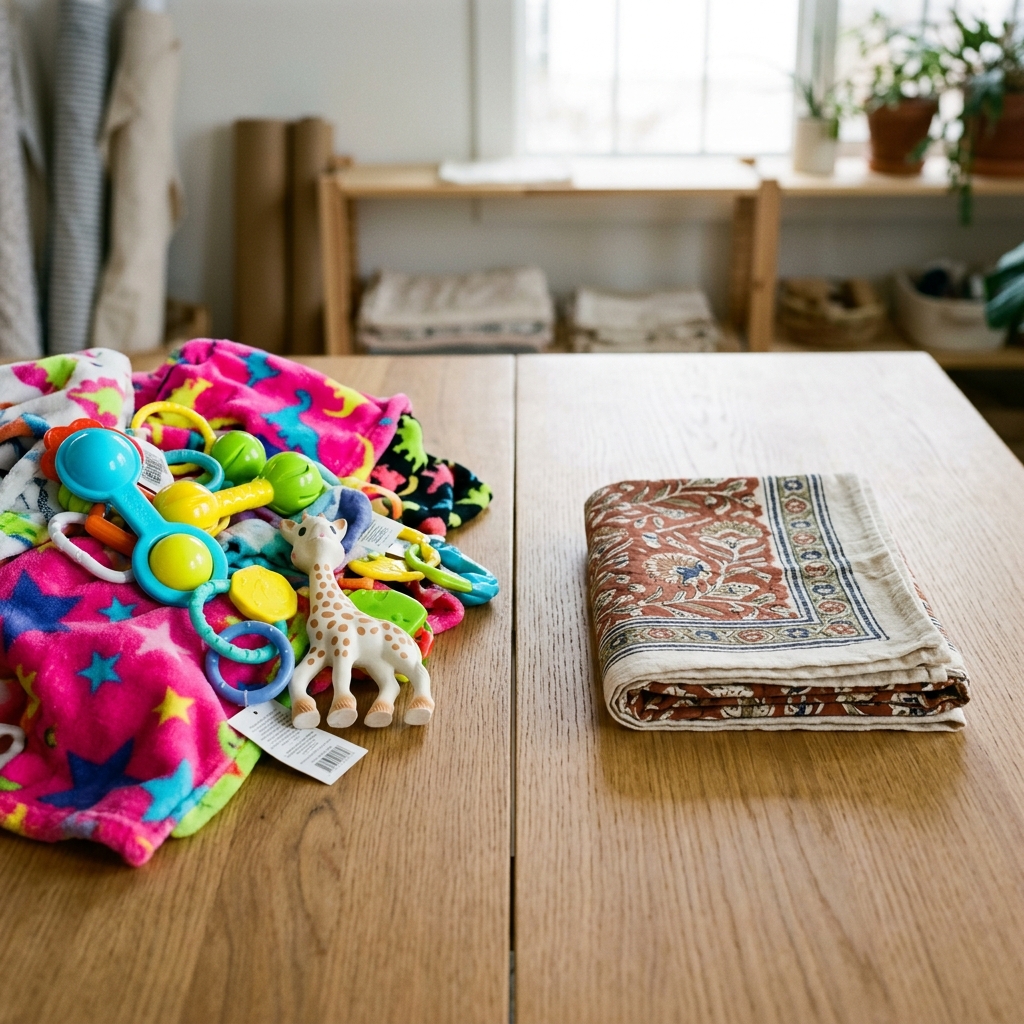
A hand-block-printed cotton swaddle is not merely a practical item—it is a vessel for memory. It wraps the baby during their first car ride home from the hospital. It drapes over the stroller on autumn walks. It becomes the comfort object that a toddler drags behind them across the kitchen floor. And because authentic cotton muslin grows softer with every wash, it doesn't deteriorate under this love. It transforms. It becomes, quite literally, more beautiful with use.
The most meaningful gift you can give a new parent is not the most expensive one. It is the one their child will still be holding two years from now—the one that becomes part of the family story.— Krishna Patel, SwaddleShawls
When you gift a SwaddleShawls piece at a baby shower, you are not handing over a product with a barcode. You are offering an heirloom. Something that will be folded carefully into a memory box years from now. Something that might, if the cotton holds as it always has, wrap a second child, or a third.
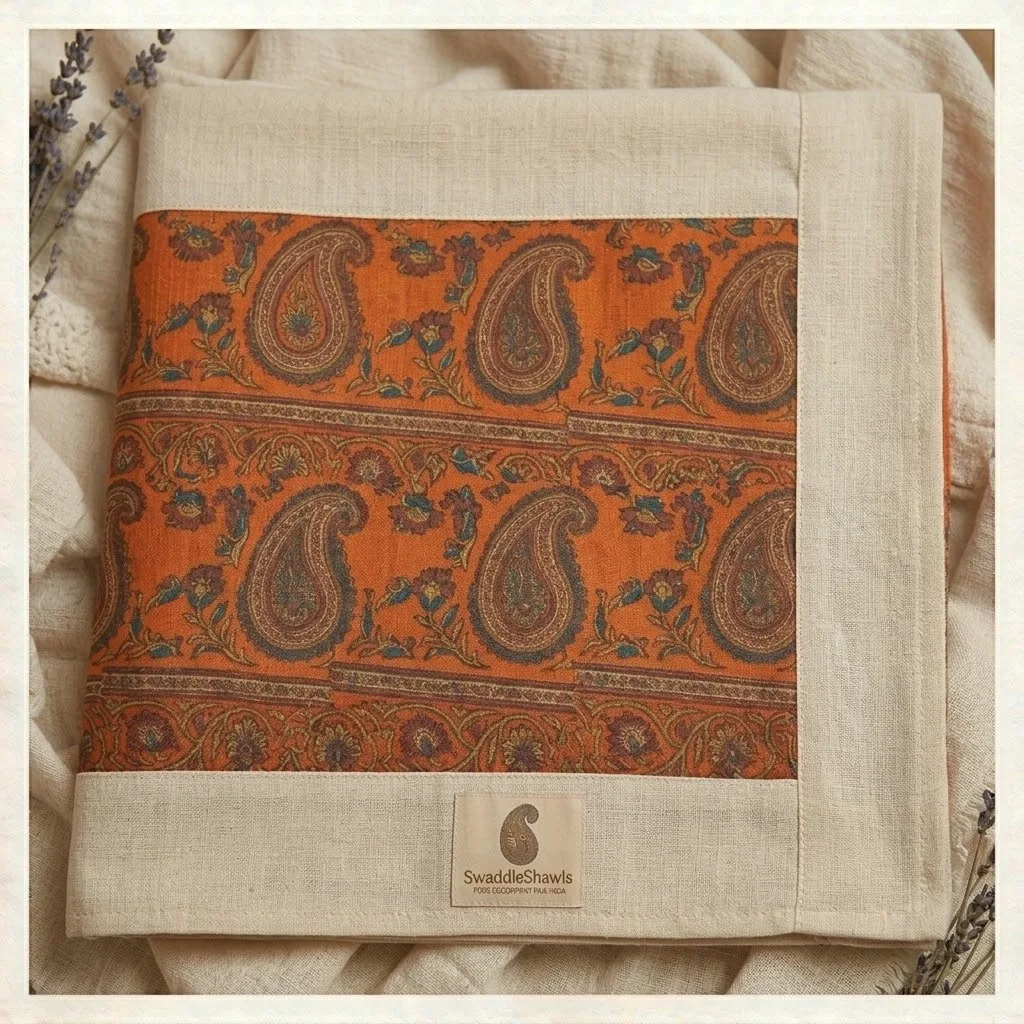
The Sunrise Heritage Swaddle
A baby shower gift that becomes a family keepsake. Vibrant paisley, hand-printed, built to endure.
3. Microplastic Contamination Is a Nursery Health Crisis
This is the reason that receives the least attention and deserves the most. Fleece baby blankets, polyester sleep sacks, and synthetic plush toys do not merely end up in landfills after their useful life. They actively shed microscopic plastic fibers—microplastics—throughout their entire period of use.
Every time a polyester baby blanket is washed, it releases an estimated 700,000 to 1.7 million microplastic fibers into the water supply per cycle. But the contamination doesn't stop at the washing machine. Studies published in Environmental Science & Technology have documented significant concentrations of airborne microplastics in indoor environments where synthetic textiles are present—including nurseries.
Infants breathe faster than adults. Their respiratory systems are immature. They spend the vast majority of their time in intimate contact with textiles—swaddled, blanketed, dressed. The fabrics surrounding a newborn are not background objects. They are the primary material environment of a developing human being.
- Polyester fleece sheds up to 1.7 million microplastic fibers per wash cycle.
- Airborne microplastics accumulate in enclosed nursery environments where synthetic fabrics are present.
- Infants inhale and ingest more microplastics relative to body weight than any other demographic.
- 100% natural cotton releases zero microplastics under any washing conditions.
- Vegetable-dyed cotton introduces zero synthetic chemical residues into wash water or ambient air.
Gifting natural cotton is not a lifestyle preference. For the family receiving it, it is a direct reduction in the microplastic burden of their child's most intimate environment.
4. Ethical Sourcing Supports Real Artisan Communities
When you purchase a mass-produced baby blanket from a fast-fashion retailer, the economics of that transaction are stark: the fabric was likely produced in an industrial mill, the dyes are synthetic, and the workers who assembled it were paid wages that rarely qualify as livable by any international standard. The item is cheap because someone, somewhere in the supply chain, absorbed the true cost.
Artisanal baby textiles invert this equation entirely. When you gift a hand-block-printed swaddle from a heritage workshop, the purchase price flows directly to the craftsman who carved the block, the printer who stamped the fabric, and the family that has maintained these skills across generations. You are not merely avoiding harm—you are actively sustaining a community, preserving a cultural tradition, and creating economic opportunity in regions where factory automation has systematically eliminated traditional livelihoods.
A baby shower gift that protects a baby, supports an artisan family, and preserves a centuries-old craft tradition is not simply a better gift. It is a fundamentally different kind of object, carrying a moral weight and a human story that no factory-sealed package can replicate.
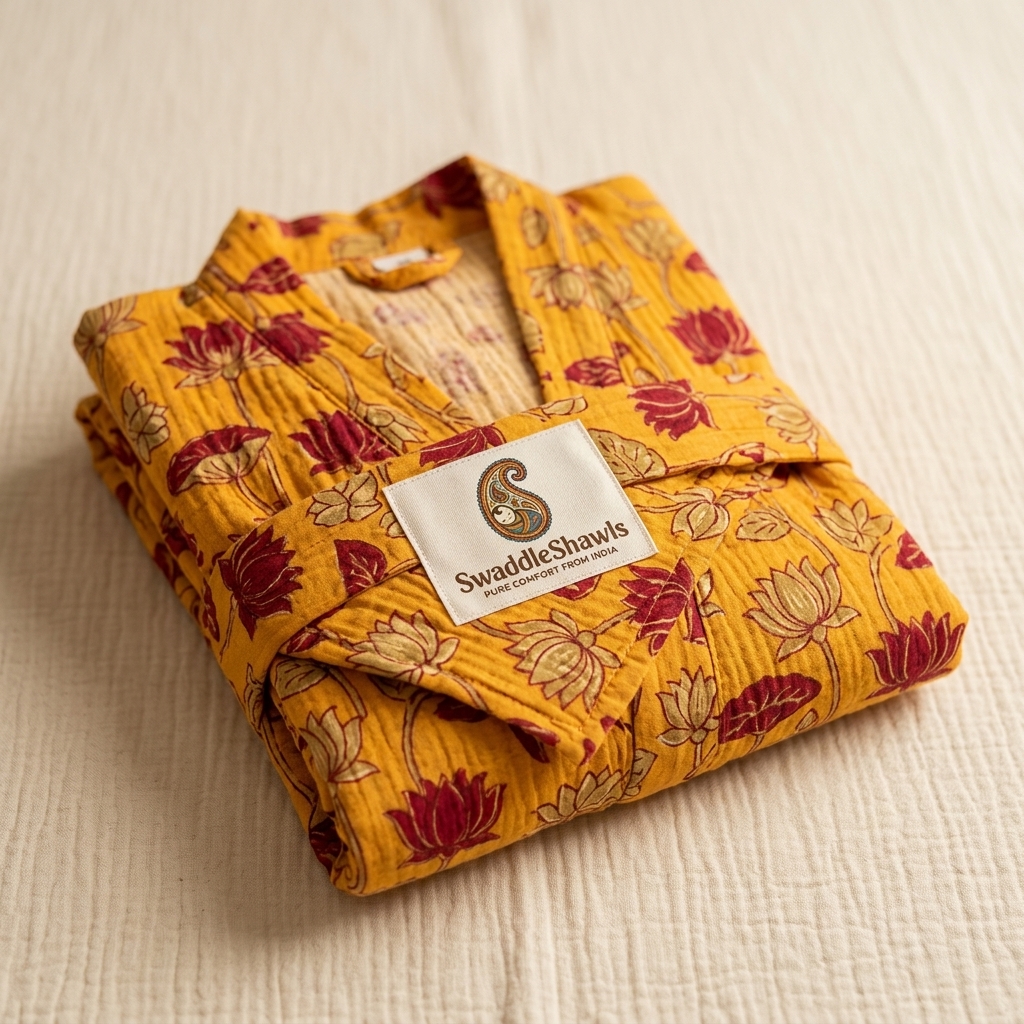
The Golden Lotus Maternity Robe
Hand-block printed maternity robe in golden lotus pattern. The ultimate heritage baby shower gift for the mother herself.
5. The Gift Reflects the Giver
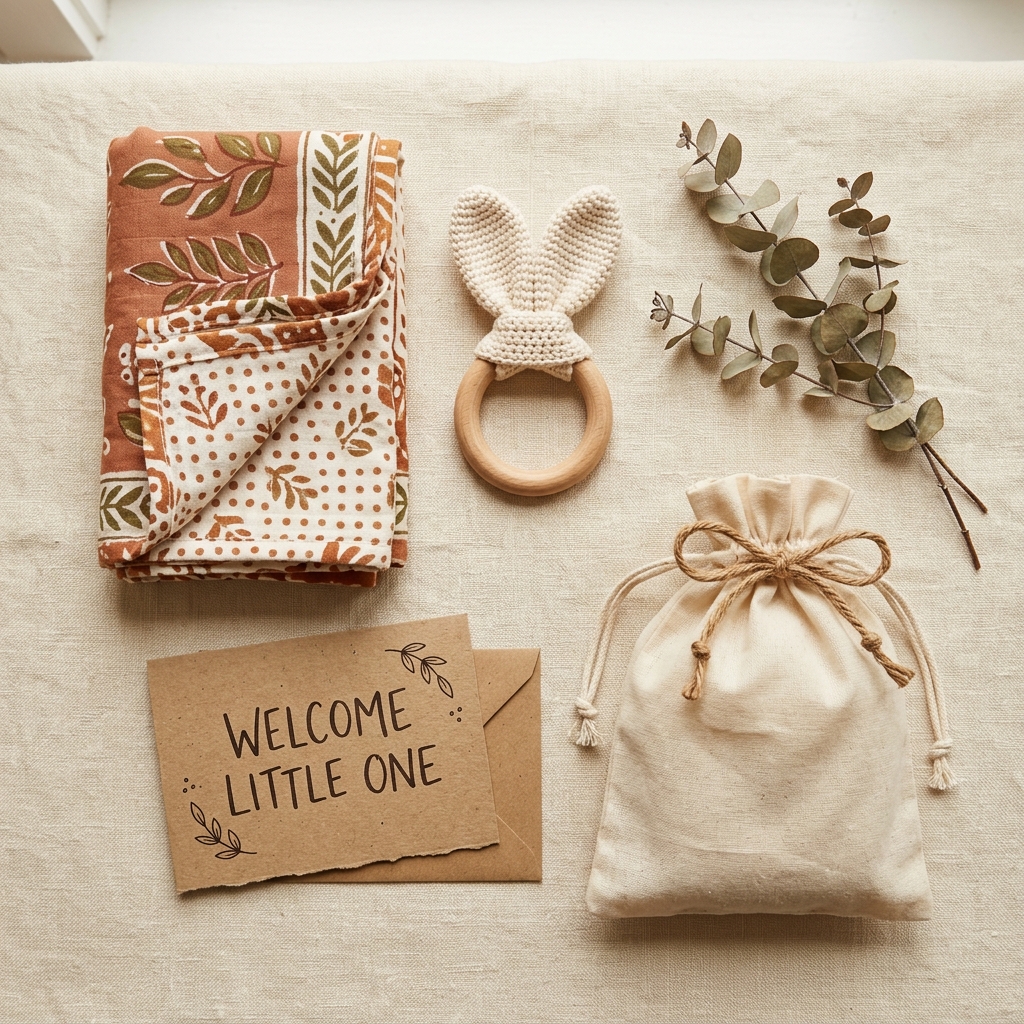
There is a final, deeply personal reason that sustainable baby gifts have become the standard, and it has nothing to do with environmental data or pediatric research. It has to do with what a gift communicates about the person who chose it.
A thoughtfully selected, ethically made, beautifully crafted swaddle says something specific to the new parent receiving it. It says: I did not grab the first thing I saw on a shelf. I thought about your baby. I thought about their skin, their comfort, their future. I chose something made with care by human hands, because that is the standard of care I wish for your child.
In a world saturated with disposable consumption, that kind of intentionality is rare. And it is noticed. It is remembered. Long after the plastic toys have been donated and the synthetic onesies have been outgrown, the hand-block-printed swaddle remains—softer than ever, folded in a drawer, carrying the memory of the person who cared enough to choose it.
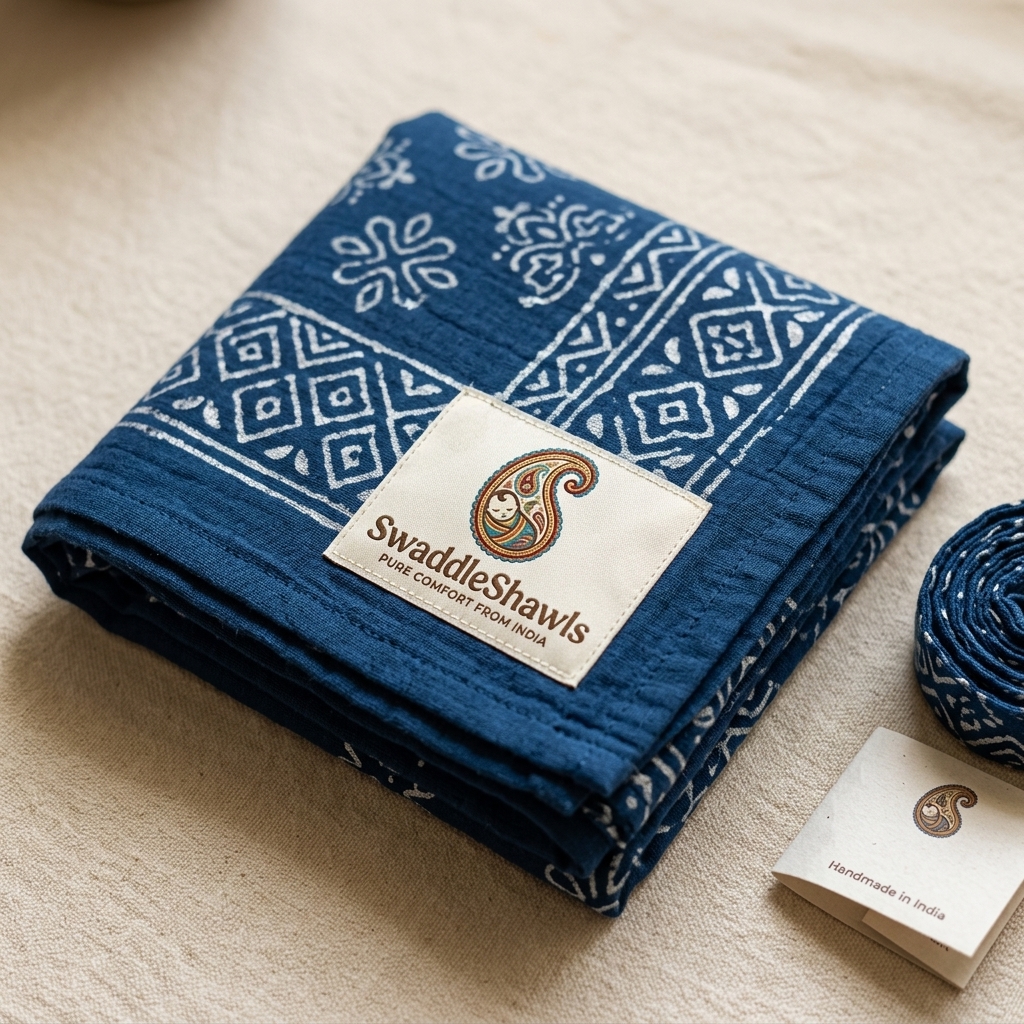
The Heritage Block-Print Nursing Cover
Generous 50x50 coverage in authentic block-print. Privacy and breathability for nursing anywhere.
Written By
Krishna Patel
With deep roots in generational fabric trading, Krishna bridges traditional Indian craftsmanship with modern sustainability standards. Dedicated to ethically sourced, artisanal block-printing and infant wellness.
Connect on LinkedIn