

Skin Deep: Understanding Newborn Eczema and Textile Dermatitis
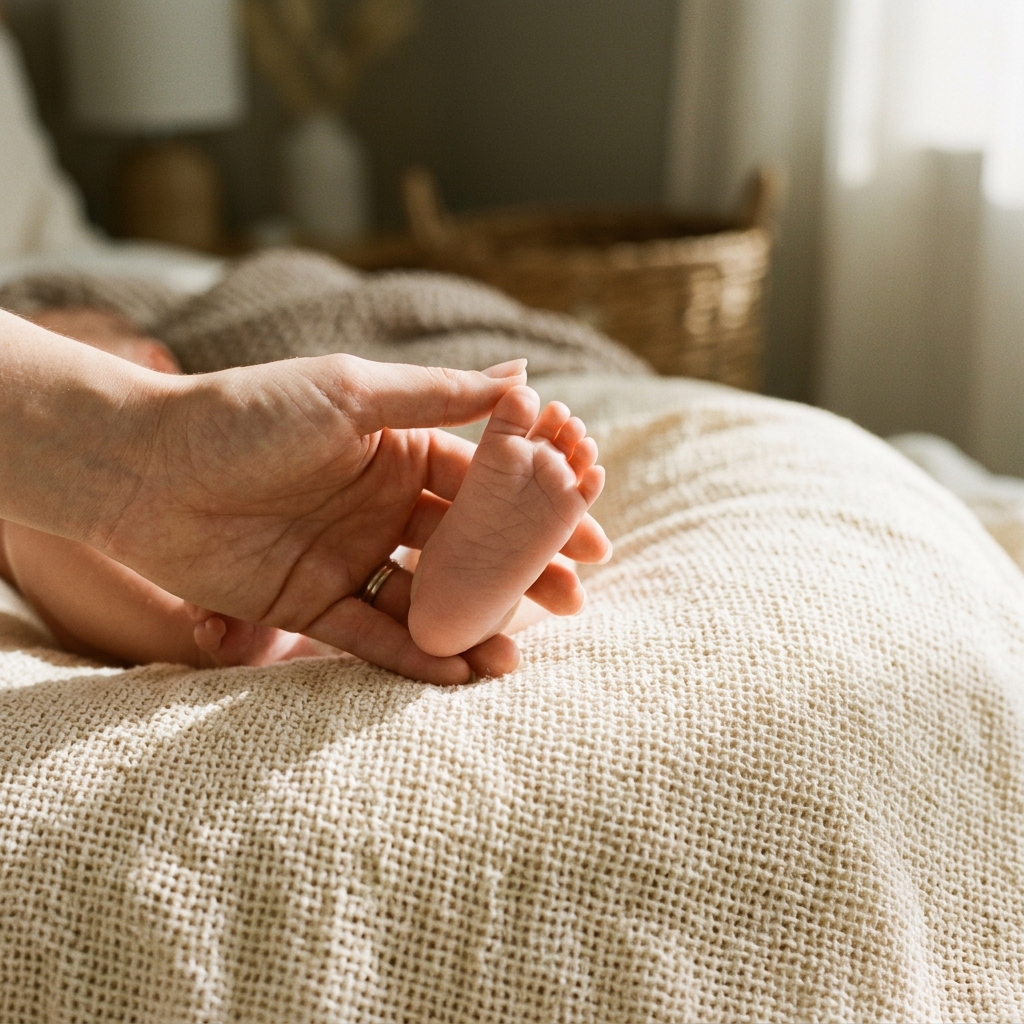
For new parents, the sudden appearance of a rash on their newborn's previously flawless skin is a source of immediate alarm. While baby acne and cradle cap are common and usually resolve on their own, the rise in atopic dermatitis (eczema) and contact dermatitis in infants is a growing pediatric concern. According to the National Eczema Association, nearly 20% of children develop a form of eczema, usually within the first six months of life.
While genetics play a role, environmental factors—specifically, the immediate environment surrounding the baby's body—are massive contributors. The most intimate and constant part of a newborn's environment is not the nursery room; it is the textile wrapped around them.
The Vulnerability of the Epidermal Barrier
To understand why textiles matter so much, you must understand the anatomy of a newborn's skin. Infant skin is approximately 30% thinner than adult skin. Its epidermal barrier—the outermost layer that locks in moisture and keeps irritants out—is immature and highly permeable. It loses water faster and absorbs topical substances more readily than adult skin.
This permeability means that whatever is on the fabric—synthetic dyes, formaldehyde finishes, fire retardants, or residual laundry detergents—is in direct contact with a compromised barrier. When harsh, non-breathable fabrics rub against this delicate surface, the friction combined with the trapped moisture creates the perfect storm for dermal irritation.
Textile Dermatitis: The Culprits in the Crib
Contact dermatitis occurs when the skin reacts to an external irritant. In infants, this is frequently traced back to the clothing or blankets they use daily. The leading causes include:
- Polyester and Synthetic Fibers: These fabrics do not breathe. They trap body heat and sweat against the skin, causing microscopic inflammation that leads to red, itchy patches.
- Azo Dyes and Disperse Dyes: Used heavily in cheap, fast-fashion baby clothing, these chemical dyes easily bleed from the fabric onto warm, moist skin, triggering allergic reactions.
- Formaldehyde Resins: Often used to make clothing "wrinkle-free" or "shrink-resistant," formaldehyde is a known irritant that off-gasses and transfers to the skin.
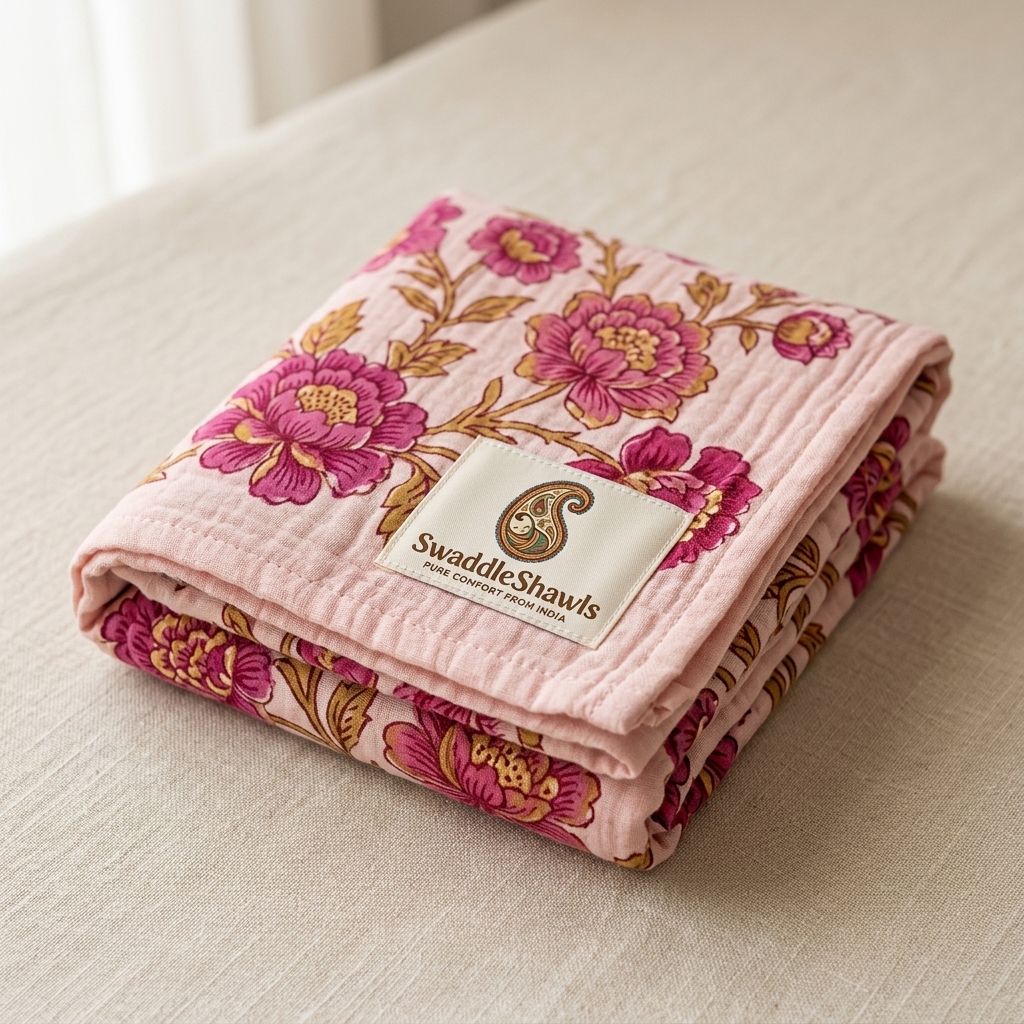
The Jaipur Pink Peony Swaddle
Dyed exclusively with natural plant extracts. Zero harsh chemicals, zero synthetic dyes. The safest choice for sensitive skin.
The Natural Defense: Why 100% Cotton Muslin Matters
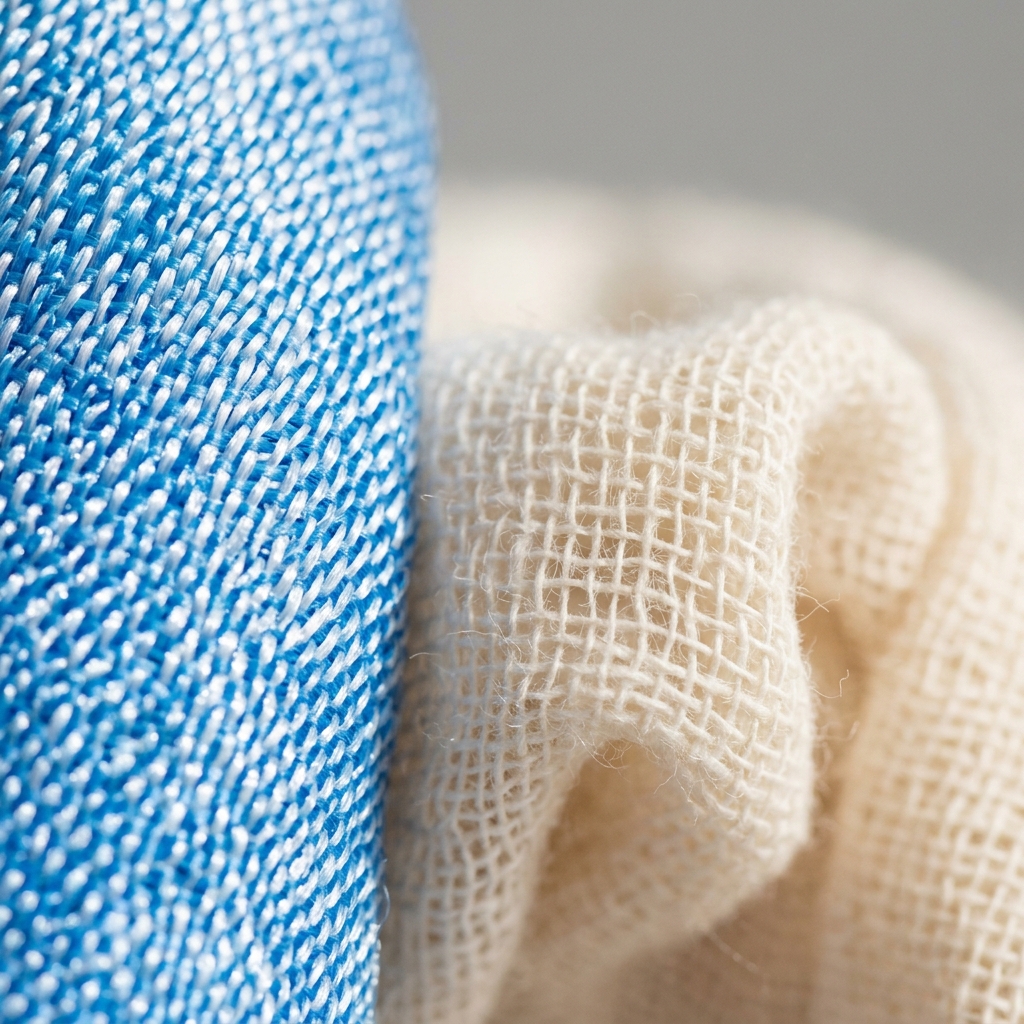
Pediatric dermatologists consistently recommend 100% natural, undyed, or naturally dyed cotton for infants suffering from eczema or prone to dermatitis. The reasoning is rooted in physics and biology:
Cotton is naturally hydrophilic (water-loving), meaning it wicks moisture away from the skin rather than trapping it. This prevents the maceration of the epidermal layer. Furthermore, the open weave of muslin cotton allows continuous air circulation. This active thermal regulation prevents the baby from overheating—a critical factor, as sweat is a primary trigger for eczema flare-ups.

When a baby breaks out in a rash, the first instinct is often to apply a cream. But the first step should actually be to evaluate the environment. If the baby is wrapped in polyester, the cream is only fighting the symptoms. The fabric is the root cause.— Krishna Patel, SwaddleShawls
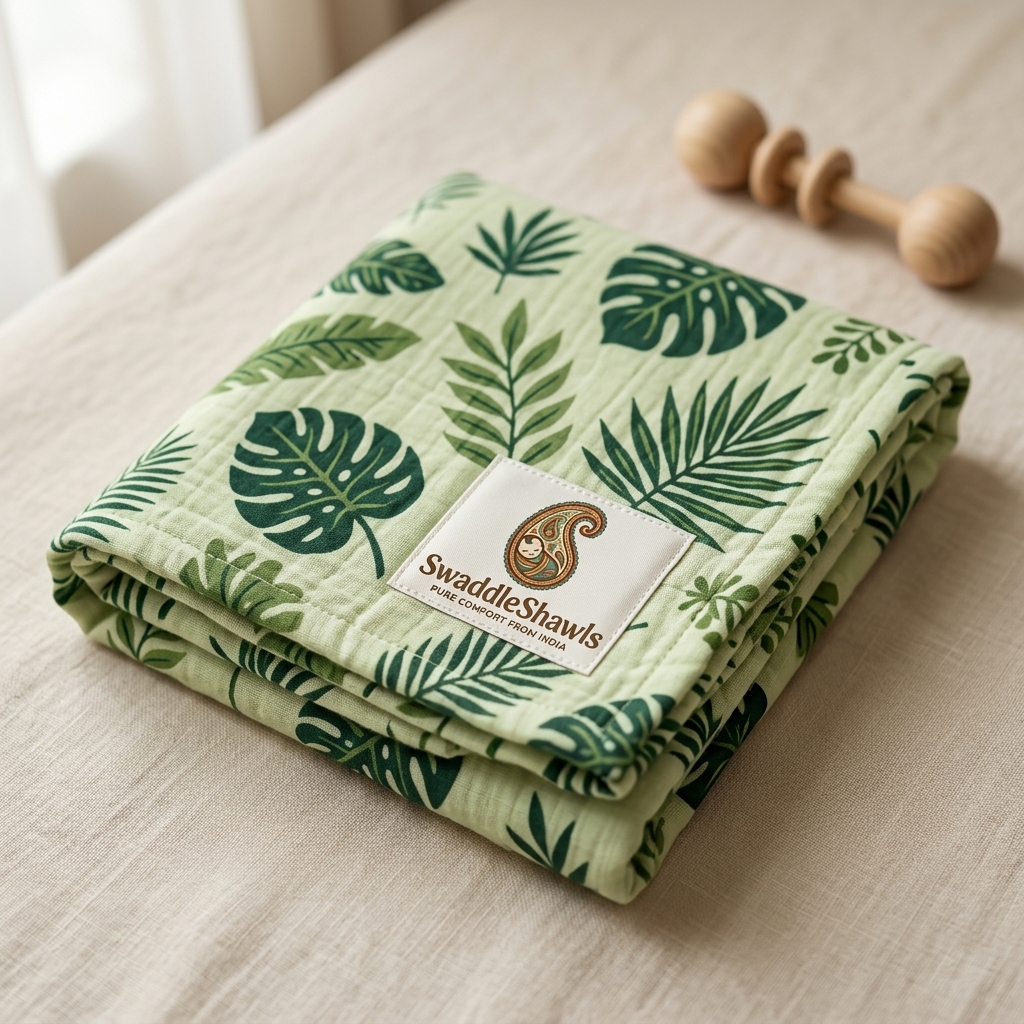
The Kerala Monsoon Bamboo Swaddle
Ultra-soft, highly breathable bamboo-cotton blend designed to wick away moisture and prevent heat rash.
A Protocol for Healthy Infant Skin
If your newborn struggles with skin sensitivities, implementing a textile protocol is just as important as your bathing routine:
1. Purge the Synthetics: Remove all fleece, polyester, and acrylic blankets from the sleep environment. 2. Wash Before Wear: Always wash new linens in a fragrance-free, dye-free detergent before they touch the baby. 3. Look for Natural Dyes: Support brands that use vegetable or plant-based dyes like madder, indigo, and turmeric, which have naturally anti-inflammatory properties. 4. Prioritize Breathability: Opt for the open-weave structure of muslin cotton.
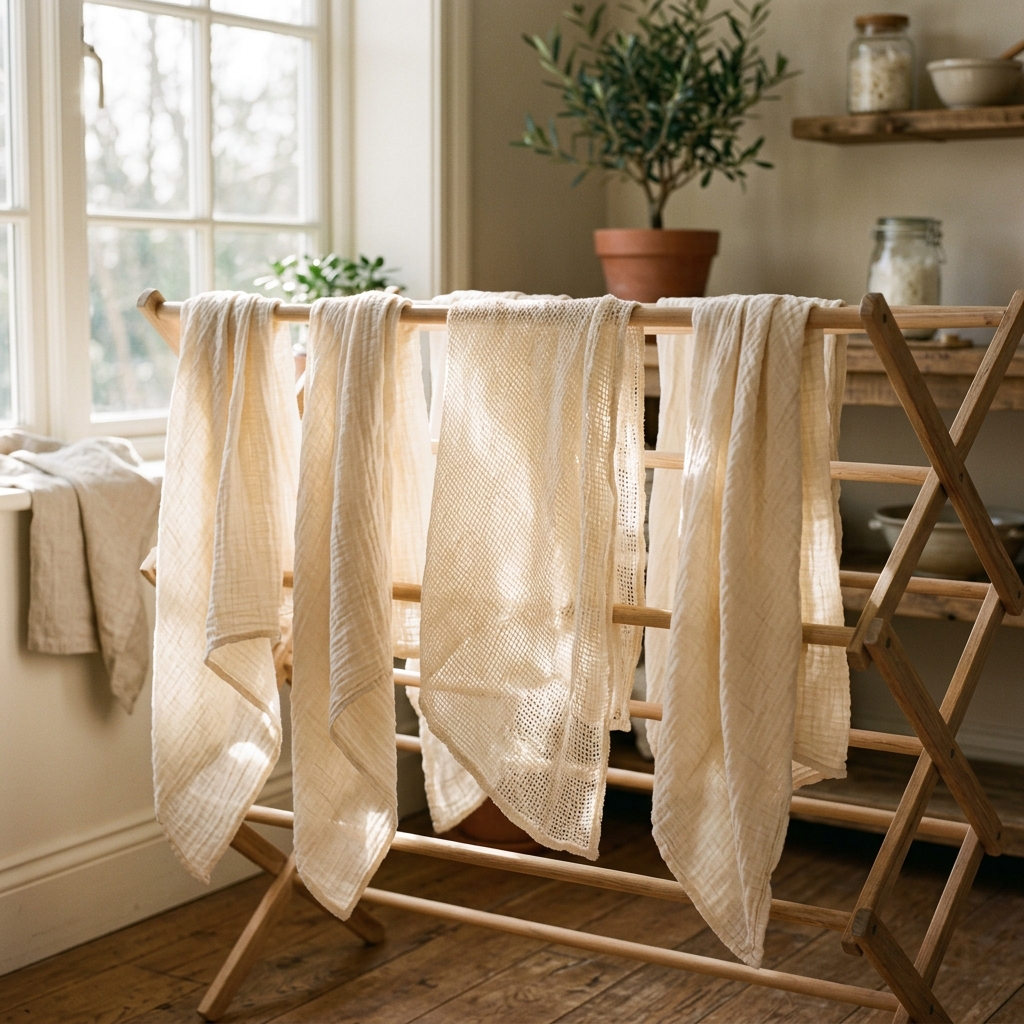
Your baby's skin is their primary interface with the world. By surrounding them with pure, breathable, naturally processed textiles, you are giving their most vulnerable organ the exact environment it needs to thrive.
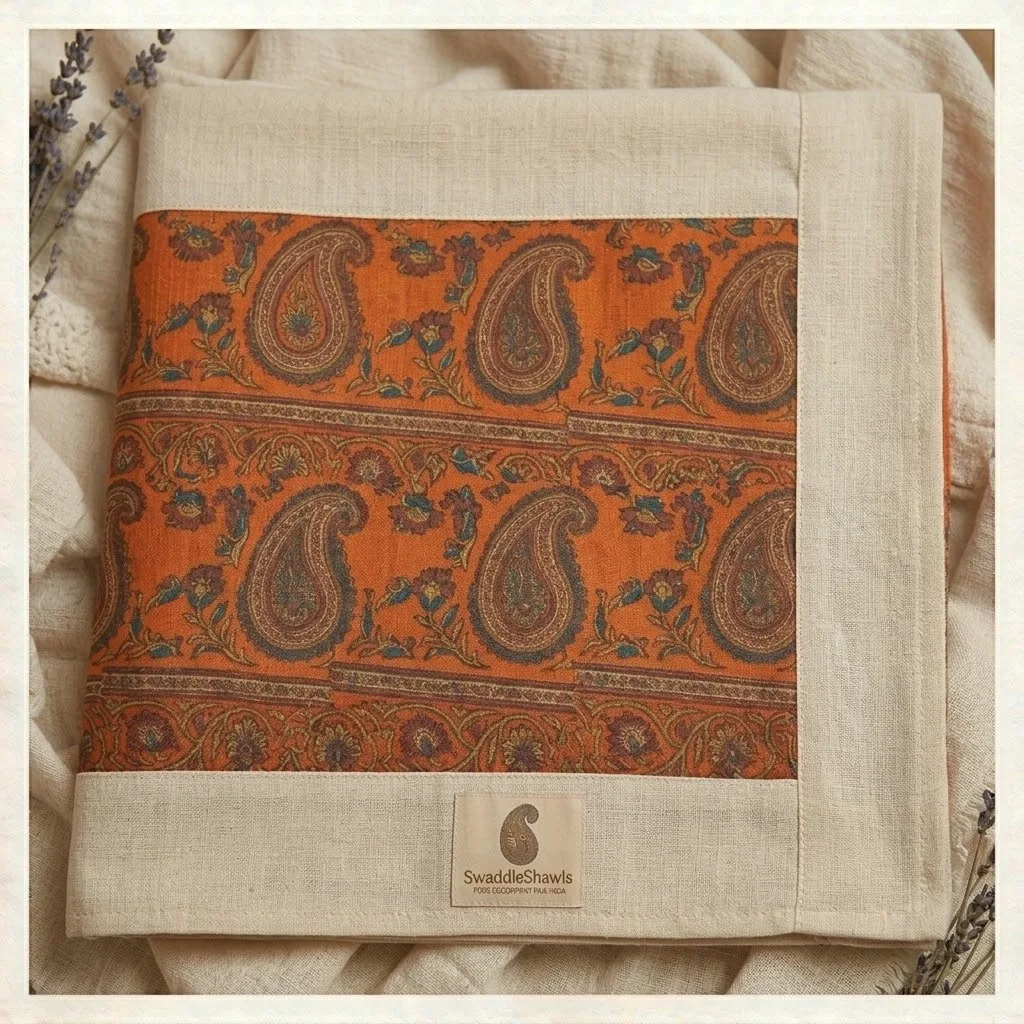
The Sunrise Heritage Swaddle
Naturally dyed with turmeric root, known in traditional Indian medicine for its anti-inflammatory skin benefits.
Written By

Krishna Patel
With deep roots in generational fabric trading, Krishna bridges traditional Indian craftsmanship with modern sustainability standards. Dedicated to ethically sourced, artisanal block-printing and infant wellness.
Connect on LinkedIn