
Muslin vs. Traditional Cotton: Finding the Safest Swaddle for Your Newborn
One of the most frequently asked questions we receive from new parents—and, honestly, one of the most important—is deceptively simple: "What exactly is the difference between Muslin and Traditional Cotton?" The answer matters more than most people realize, because the fabric you wrap around your sleeping newborn is not a passive accessory. It is an active participant in their thermal regulation, their skin health, and the quality of their rest.
Both muslin and traditional cotton come from the same plant: Gossypium, the cotton shrub. They share the same fundamental fiber. But the way those fibers are woven—the architecture of the textile itself—creates two profoundly different fabrics with dramatically different performance characteristics. Understanding those differences is essential for any parent who takes infant sleep safety seriously.
The Engineering of the Weave
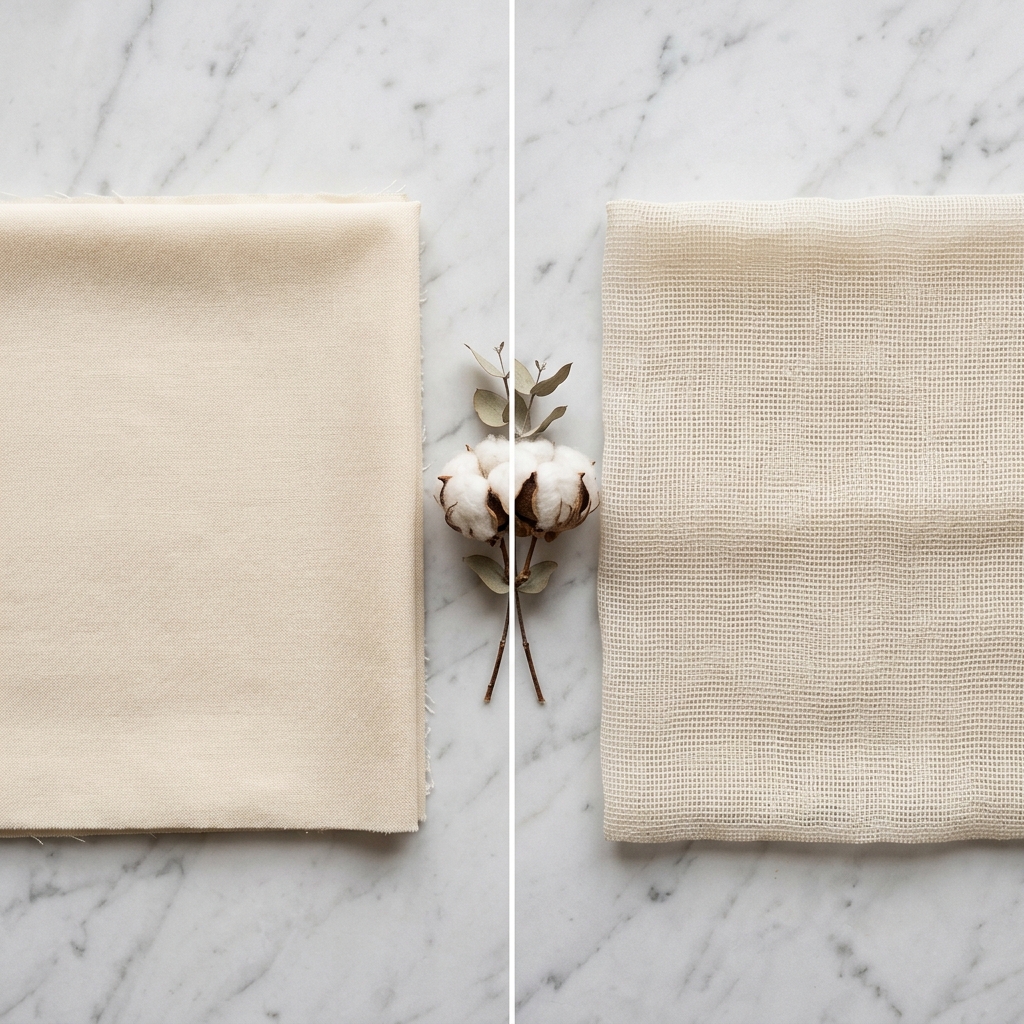
Traditional cotton—the kind found in most mass-produced baby blankets—uses a tight, dense weave pattern. The threads are packed closely together, creating a fabric that feels substantial, even heavy. This density is excellent for certain applications: bed sheets, winter clothing, upholstery. It creates a strong, durable surface that resists pilling and withstands aggressive washing.
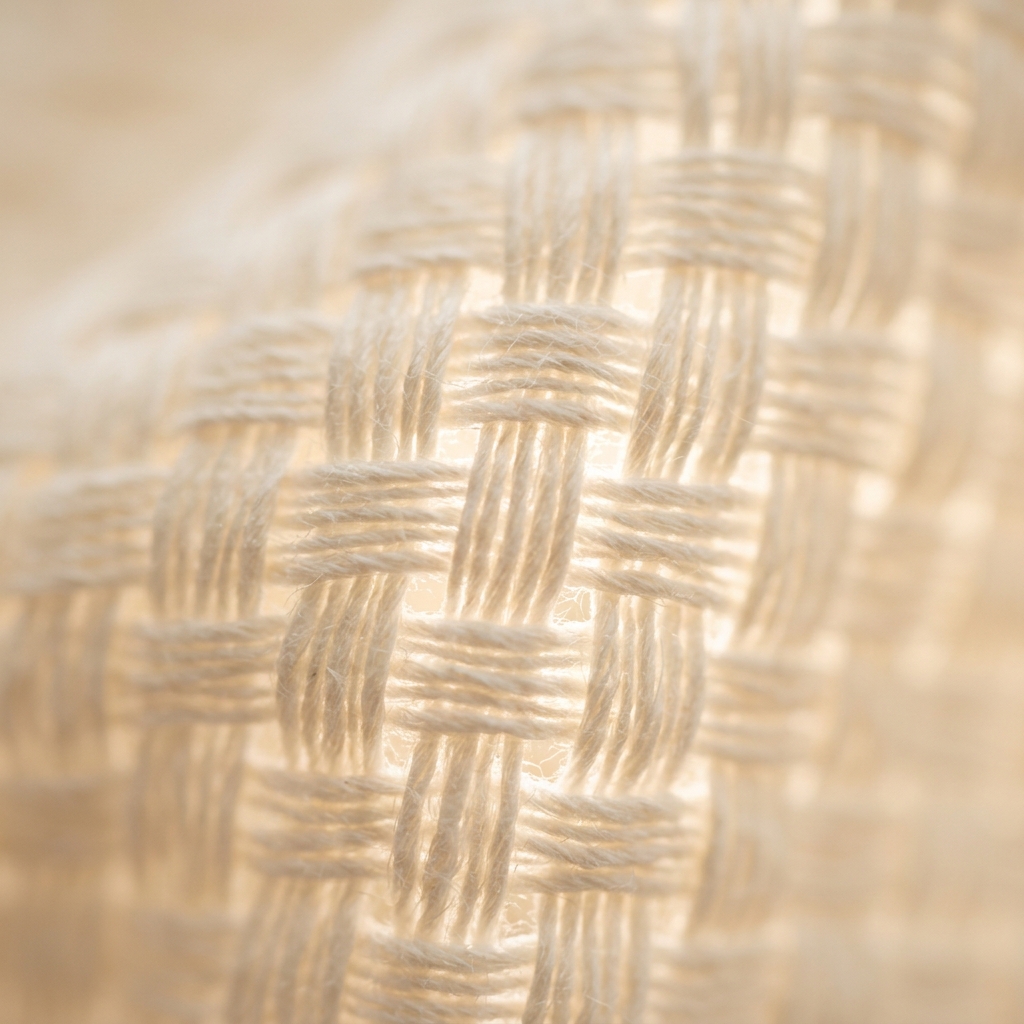
Muslin, by contrast, uses what textile engineers call a "plain open weave." The warp and weft threads are spaced further apart, creating a fabric that is lighter, more flexible, and—critically—significantly more breathable. When you hold a piece of quality muslin up to the light, you can see tiny, regular gaps between the threads. Those gaps are not a deficiency in the manufacturing. They are the entire point.
Those microscopic openings serve as ventilation channels. They allow warm, humid air to escape from the surface of your baby's skin and be replaced by cooler, drier air from the surrounding environment. In thermal engineering terms, muslin functions as a passive heat exchanger—a fabric that actively assists your baby's immature thermoregulatory system in maintaining a safe, stable body temperature.
Why Thermal Regulation Is a Safety Issue, Not a Comfort Preference
Most parents think of swaddle fabric choice as a comfort decision. It is not. It is a safety decision.
The American Academy of Pediatrics (AAP) has consistently identified overheating as one of the significant environmental risk factors associated with Sudden Infant Death Syndrome (SIDS). Newborns, particularly in the first six months, have an underdeveloped ability to regulate their own body temperature. They cannot kick off a blanket that is too warm. They cannot articulate discomfort. They rely entirely on the thermal properties of the materials surrounding them.
A swaddle is not clothing. It is your baby's microclimate. The fabric you choose determines the temperature, humidity, and airflow of the most intimate environment your child inhabits during the most vulnerable hours of their day.— Krishna Patel, SwaddleShawls
A tightly woven cotton blanket, used as a swaddle, creates a sealed thermal envelope around the infant. Body heat accumulates. Moisture from perspiration is trapped against the skin. The baby's core temperature rises. In mild cases, this produces heat rash, restlessness, and fragmented sleep. In more serious scenarios, it contributes to the kind of dangerous overheating that pediatric safety organizations have spent decades warning parents about.
Muslin, with its deliberately open structure, prevents this cascade. Heat escapes. Moisture evaporates. The baby stays cooler, sleeps more soundly, and wakes less frequently—which, as any new parent knows, is a benefit that extends to the entire household.
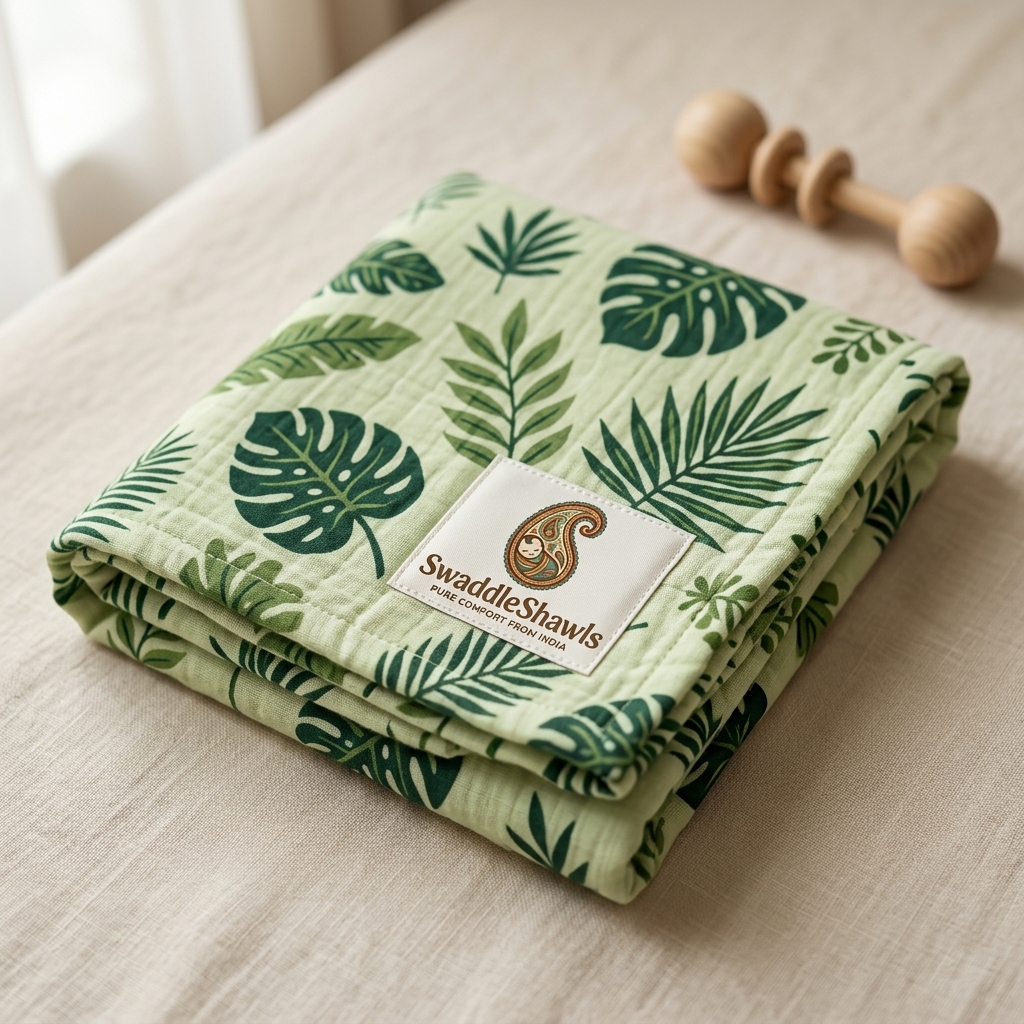
The Kerala Monsoon Bamboo Swaddle
Premium bamboo-cotton blend with a cool, silky hand-feel. Ultra-breathable for warm climates.
The Paradox of Softness: Why Muslin Gets Better with Age
Here is something counterintuitive that experienced parents discover and first-time parents rarely know: quality muslin fabric becomes dramatically softer with every single wash cycle.
This happens because of the open weave. Each wash cycle gently agitates the cotton fibers, loosening them fractionally within their already-relaxed lattice. The threads do not felt together or stiffen (as dense cotton tends to do after repeated hot washing). Instead, they become increasingly supple, increasingly fluid. A muslin swaddle that has been washed fifty times feels entirely different—in a spectacularly luxurious way—from one that is brand new.
This is why genuine muslin swaddles are often described as "heirloom" textiles. They do not wear out in the conventional sense. They mature. They improve. A muslin swaddle that wraps your first child will be noticeably softer, more buttery, more perfect by the time your second child arrives.
Infant Skin: Thinner Than You Think
A newborn's skin is approximately 30% thinner than adult skin. The outermost protective layer—the stratum corneum—is still developing, which means that irritants, allergens, and chemical residues that an adult's skin would effortlessly repel can penetrate an infant's skin with relative ease.
This biological reality has direct implications for fabric choice:
- Dense cotton traps perspiration against the skin, creating a warm, moist environment that accelerates the absorption of any chemical residues present in the dye or finishing treatments.
- Muslin's open weave allows moisture to evaporate rapidly, keeping the skin surface drier and reducing chemical contact time.
- The looser structure of muslin also produces less mechanical friction against the skin—a significant consideration for infants prone to eczema, cradle cap, or contact dermatitis.
- Natural, undyed or vegetable-dyed muslin eliminates the chemical variable entirely, creating the most biocompatible textile environment possible for sensitive newborn skin.
The Verdict: When to Choose What
We do not believe in absolutism. Both muslin and traditional cotton have their place in a well-equipped nursery. Dense cotton is excellent for fitted crib sheets, where breathability is managed by the mattress beneath, and for winter layers when ambient temperatures are genuinely cold. Traditional cotton also excels in burp cloths and changing pad covers—applications where absorbency and durability outweigh breathability concerns.
But for swaddling—the act of wrapping your baby snugly for sleep—muslin is, by every objective measure, the superior choice. Its thermal regulation, its increasing softness, its gentleness against developing skin, and its inherent safety advantages make it the fabric that pediatric wisdom and centuries of Indian textile tradition both point toward.
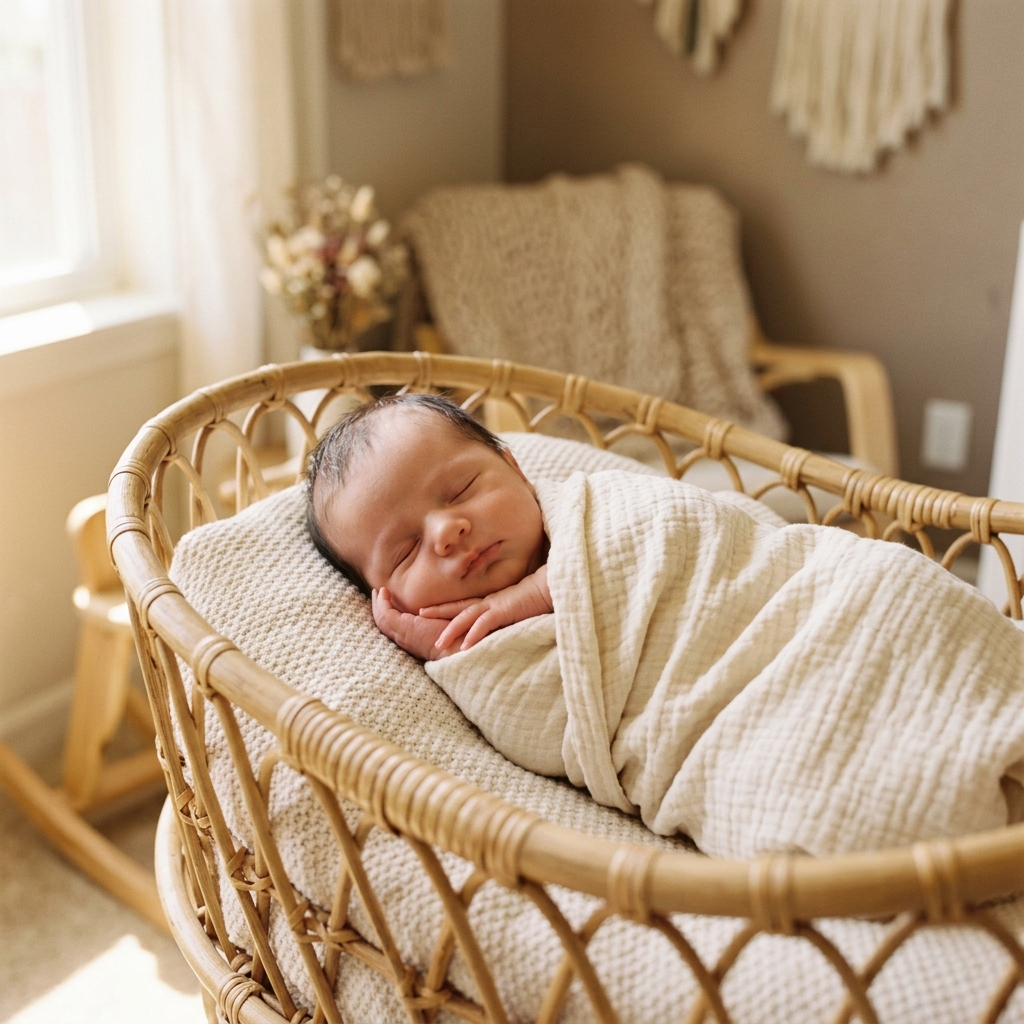
At SwaddleShawls, every piece in our collection is woven using authentic open-weave techniques refined over generations. We combine the breathability of muslin with the beauty of hand block printing to create swaddles that are as safe as they are stunning—textiles worthy of the extraordinary small person they are made to hold.
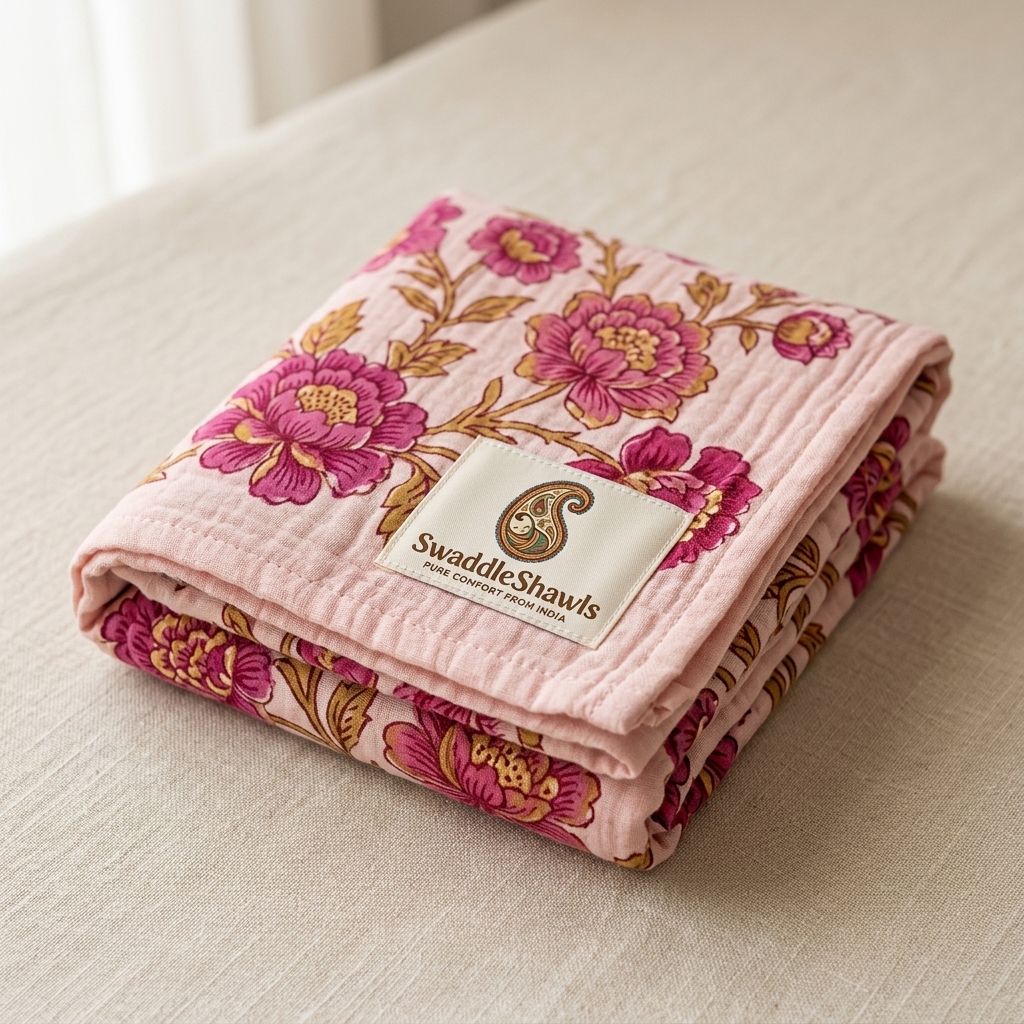
The Jaipur Pink Peony Swaddle
Soft madder-pink with hand-stamped peony motifs. Naturally dyed, beautifully breathable open-weave cotton.
Written By

Krishna Patel
With deep roots in generational fabric trading, Krishna bridges traditional Indian craftsmanship with modern sustainability standards. Dedicated to ethically sourced, artisanal block-printing and infant wellness.
Connect on LinkedIn