

The First-Time Parent's Nursery Checklist: What You Actually Need (And What You Don't)
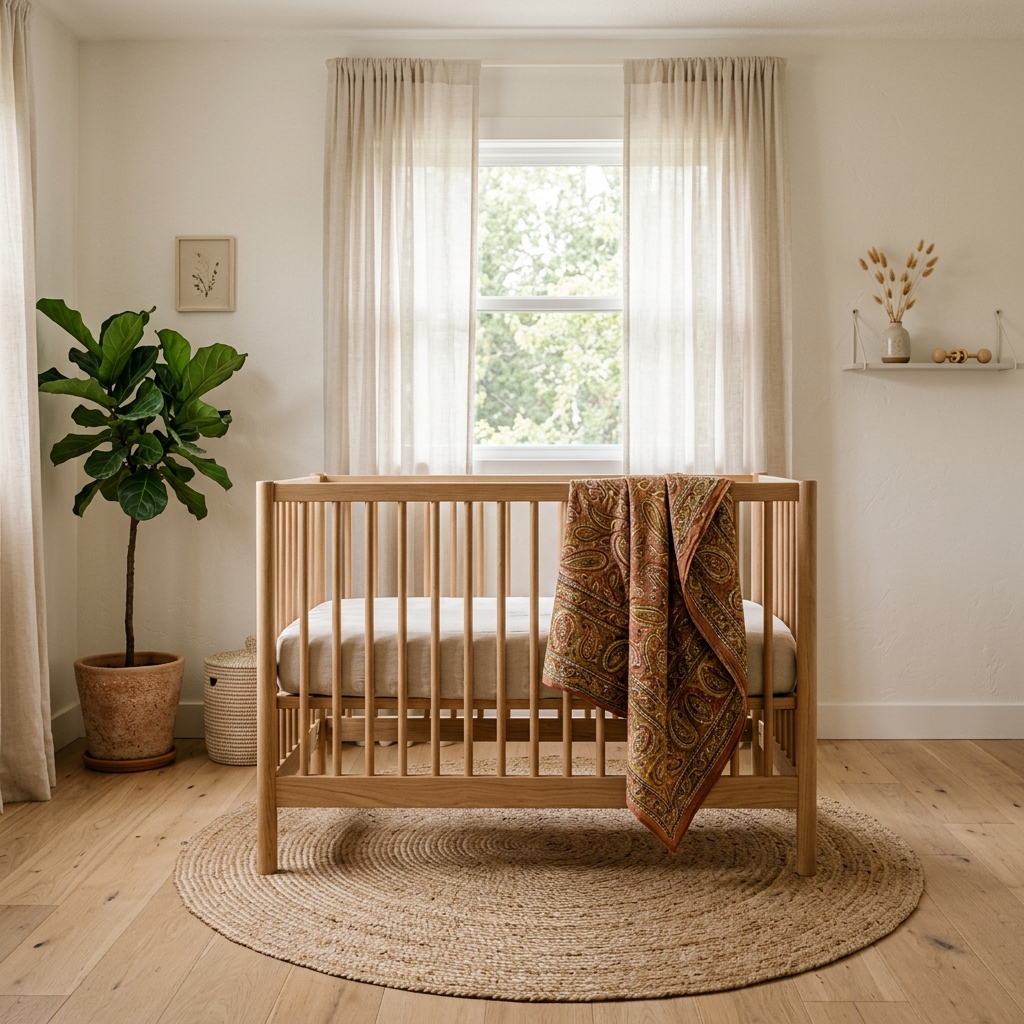
The nursery industry is designed to make you feel inadequate. Scroll through any baby registry guide published by a major retailer and you will find lists of 50, 80, even 120 "essential" items—many of which your baby will never use, most of which will end up in a donation bin within a year, and some of which actively create clutter that makes the already overwhelming first weeks of parenthood feel even more chaotic.
This guide is different. It was written by parents, for parents, with one guiding principle: your baby needs far less than the industry wants you to believe, and the few things they genuinely need should be chosen with extraordinary care.
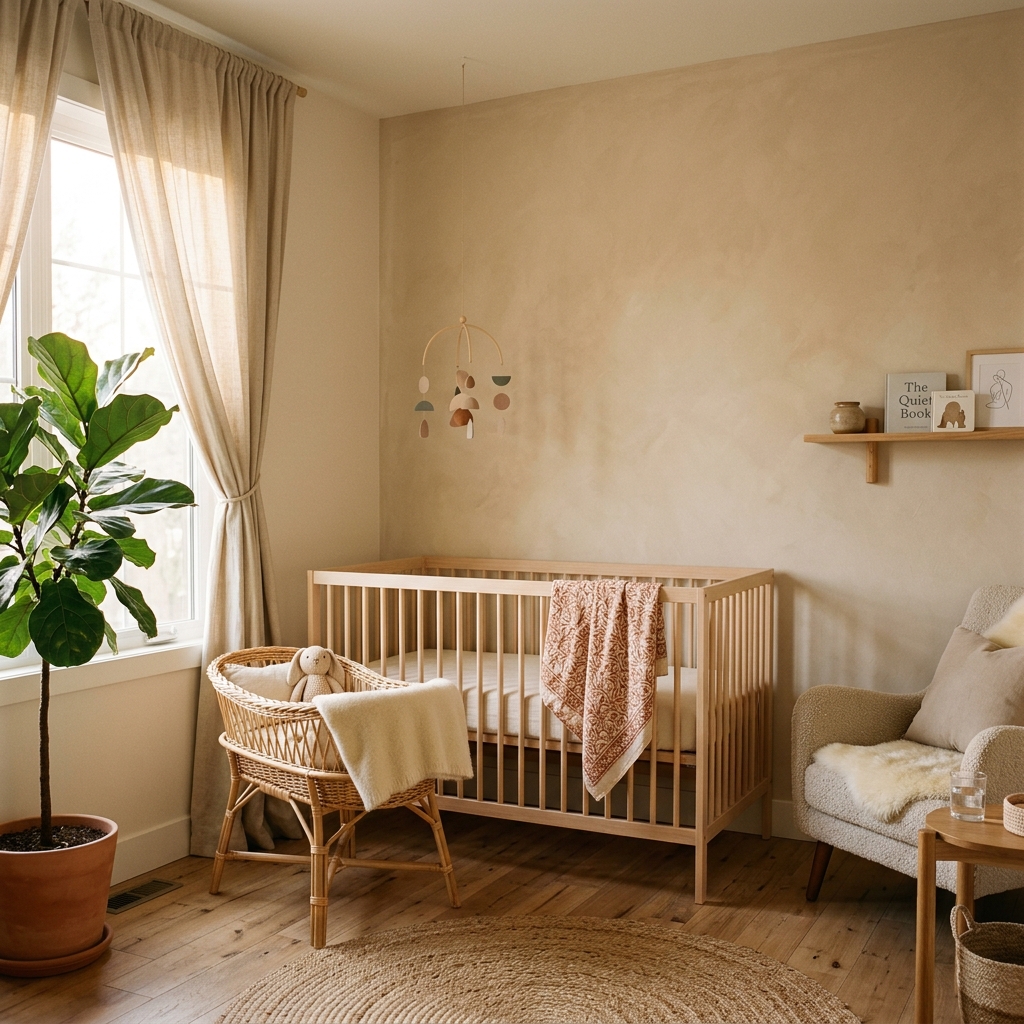
Sleep: The Non-Negotiables
Your newborn will spend between 14 and 17 hours per day sleeping. The sleep environment is, by an enormous margin, the single most important investment in your nursery. Everything else is secondary.
- A firm, flat mattress in a safety-certified crib or bassinet. The AAP recommends a bare sleep surface with no pillows, no loose blankets, no bumper pads, and no stuffed animals.
- 3–4 fitted crib sheets (organic cotton recommended). You will need extras for middle-of-the-night changes.
- 3–5 muslin swaddle blankets. This is the single item where quality matters most. Choose large (47x47 inch), breathable, natural-fiber swaddles that will not overheat your baby. Avoid polyester.
- A white noise machine. Consistent background sound mimics the intrauterine environment and helps newborns transition between sleep cycles.
That is it. That is the entire sleep setup your baby needs. The $300 smart bassinet, the $150 sleep tracker, the weighted sleep sack with Bluetooth connectivity—these are products engineered for parental anxiety, not infant necessity.
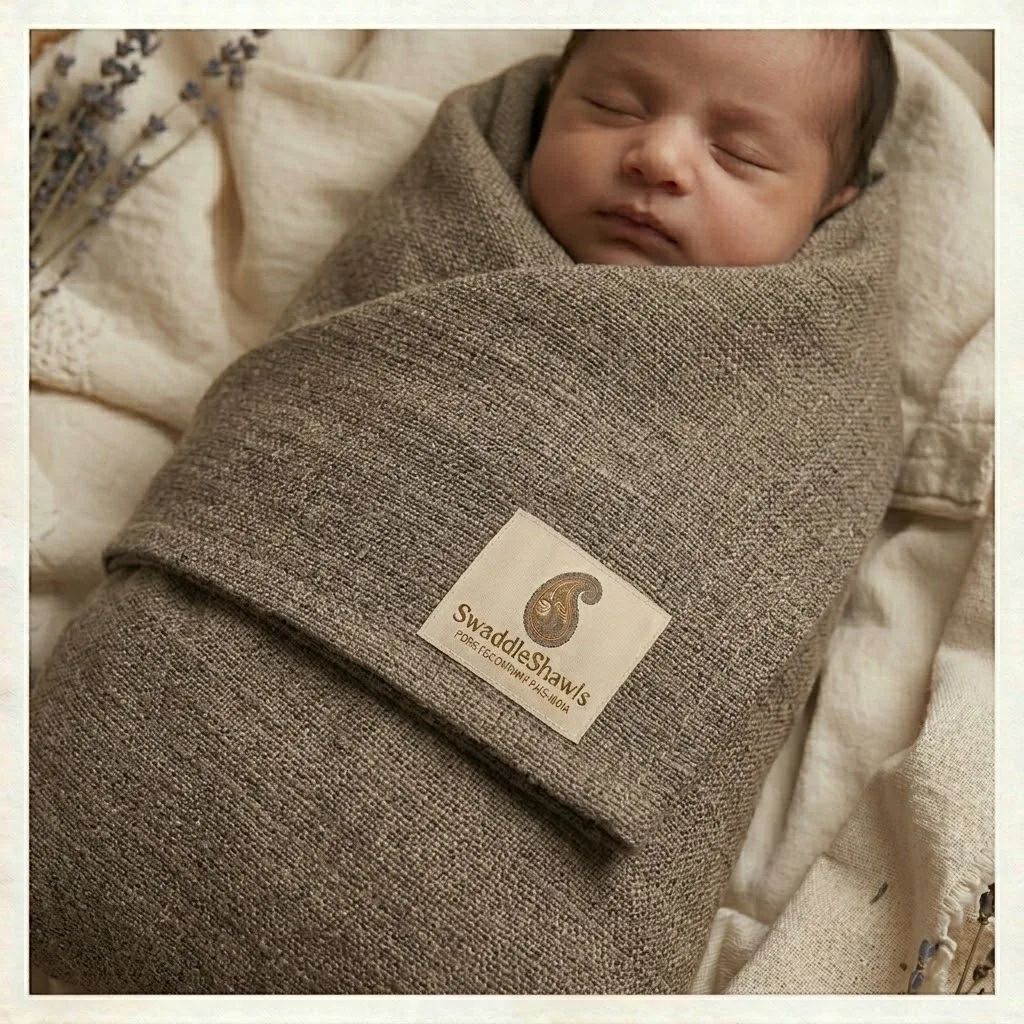
The 'Ancients' Raw Brown Swaddle
Pure, unbleached, undyed cotton. The most elemental sleep textile possible—nothing between your baby and nature.
Feeding: Less Than You Think
Whether you breastfeed, bottle-feed, or do some combination, the nursery feeding setup is mercifully simple:
- A comfortable chair or glider. You will sit in this chair for hundreds of hours. It does not need to be expensive, but it must be comfortable. Test it in person if possible.
- 6–8 burp cloths (muslin or cotton, not synthetic). Your swaddle blankets double beautifully for this purpose.
- Bottles and a drying rack (if bottle-feeding). Start with 4–6 bottles in different nipple flow rates. Babies are particular; you may need to try several brands.
- A nursing pillow (if breastfeeding). This supports positioning and reduces arm fatigue during long feeding sessions.
You do not need a bottle warmer (a mug of warm water works identically). You do not need a formula dispenser. You do not need a UV sterilizer. The industry has spent decades convincing parents that feeding requires specialized technology. It does not. It requires patience, a chair, and something to catch the inevitable spit-up.
Changing: Function Over Form
You will change approximately 10 to 12 diapers per day in the newborn phase. This slows to 6–8 per day by month three. The changing station should prioritize speed, hygiene, and access.
- A changing pad on top of a dresser. You do not need a dedicated changing table—a contoured changing pad placed on any stable, waist-height surface works perfectly and saves space.
- 2–3 changing pad covers (cotton, washable). They will get soiled. Plan accordingly.
- Diapers and wipes. If you choose disposable, buy in small quantities initially—different brands fit differently, and the wrong size causes blowouts.
- Diaper cream (zinc oxide-based). One tube lasts weeks.
- A small trash can with a lid. The $40 "diaper genie" is optional. A simple pedal-operated trash can with a bag works identically.
The best nursery is not the most beautiful one, or the most expensive one, or the one with the most items in it. The best nursery is the one where everything has a purpose, nothing is wasted, and the parent can find what they need at 3 a.m. with one hand and half-closed eyes.— Krishna Patel, SwaddleShawls
Clothing: The Brutal Truth About Newborn Wardrobes
Here is a truth that no baby clothing brand wants you to hear: newborns do not need a wardrobe. They need layers.
For the first 6–8 weeks, your baby will spend the vast majority of their time doing three things: sleeping, eating, and being held. They will be swaddled for sleep, unswaddled for feeding, and wrapped against your chest for comfort. They do not need jeans. They do not need shoes. They do not need color-coordinated outfits for every day of the week.
- 6–8 onesies or bodysuits (organic cotton, with fold-over mittens if possible). These are the workhorse of newborn clothing.
- 4–6 footed sleepers for nighttime. Zip-up styles are dramatically easier than snaps at 3 a.m.
- 2–3 cotton hats for temperature regulation in the first weeks.
- 2–3 pairs of socks (they will lose them constantly).
- 1–2 light cardigans or zip jackets for layering in cooler weather.
That is a complete newborn wardrobe. Approximately 20 items, total. Anything beyond this is purchased for the parents' pleasure, not the baby's need—and there is nothing wrong with that, as long as we are honest about the distinction.
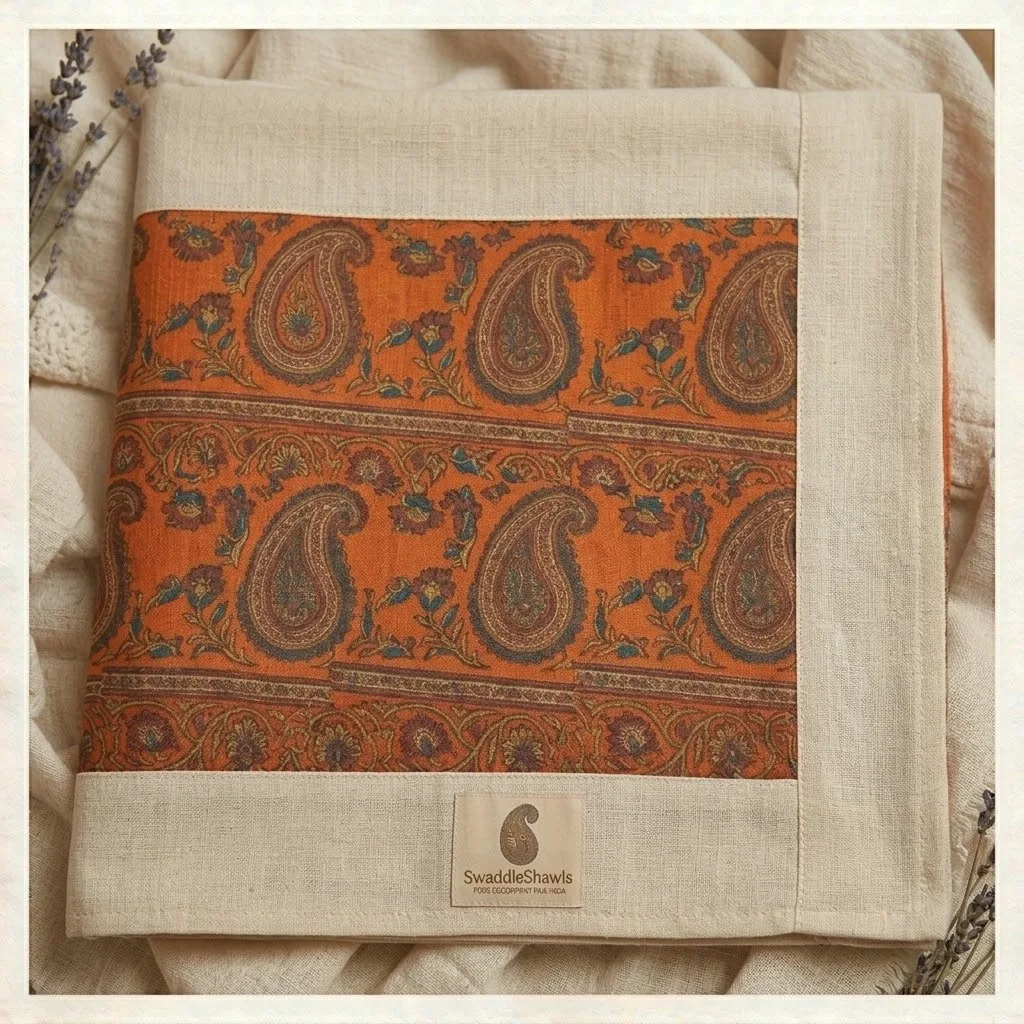
The Sunrise Heritage Swaddle
One beautiful swaddle replaces an entire drawer of synthetic blankets. Multi-purpose: swaddle, burp cloth, nursing cover, stroller shade.
The Items Nobody Tells You About
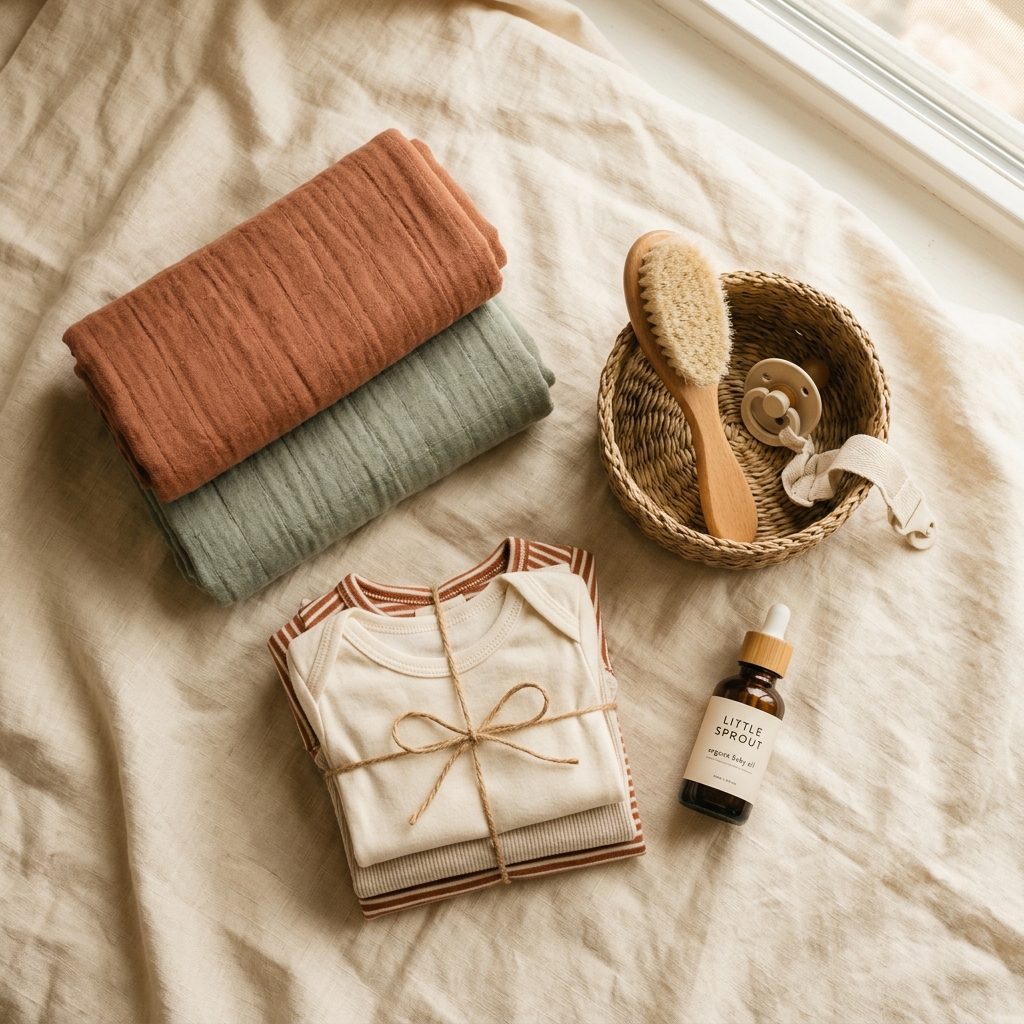
Every parent we know has a short list of items that no registry guide mentions but that they consider absolutely indispensable. These are the things you discover you need at 2 a.m. on day four:
- A dim, warm-toned nightlight. Not for the baby—for you. You need to see well enough to feed and change without turning on overhead lights that will fully wake both of you.
- A water bottle with a one-handed lid. You will be pinned under a sleeping baby for hours. Hydration should not require two free hands.
- Extra-long phone charger. You will be sitting in that chair, in the dark, for longer than you expect. Your phone is your lifeline to the outside world, your clock, your white noise backup, and your connection to other parents who are also awake at this hour.
- A laundry basket in the nursery itself. Not down the hall. Not in the closet. Right there, within arm's reach, because everything gets soiled constantly and the last thing you want to do is walk anywhere with a fresh blowout situation.
These are not glamorous items. They will never appear in a nursery photoshoot. But they are the difference between a functional first month and a chaotic one. Build your nursery around the reality of what newborn care actually looks like—not the curated fantasy of what the industry wants you to imagine.
The Philosophy of Less
There is an extraordinary freedom in realizing that your baby needs very little from the physical world. They need warmth. They need to be fed. They need to sleep safely. And they need to be held by someone who loves them.
Everything in the nursery should serve one of those four needs. If it doesn't, it is not essential—it is clutter with good marketing. And in those overwhelming first weeks, when you are learning a new human and they are learning the entire world, clutter is the last thing either of you needs.
Invest deeply in the few things that matter. Choose natural materials that will not harm your baby's skin. Choose textiles that grow softer with love and use. Choose items made by human hands, with human care, from the earth itself. And let everything else wait.
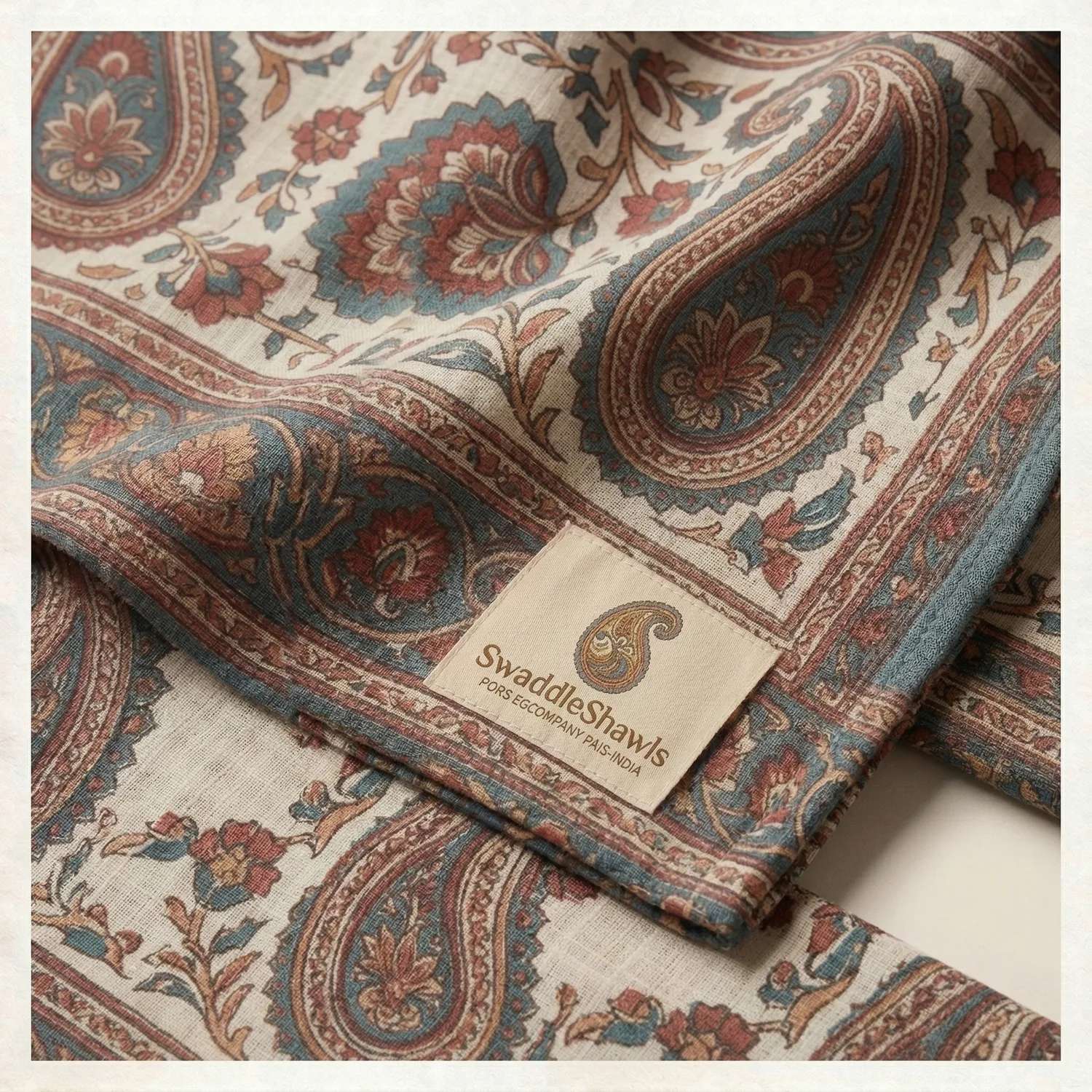
The Heritage Paisley Swaddle
One swaddle, infinite uses. Sleep wrap, burp cloth, nursing cover, tummy time mat, and future keepsake.
Written By

Krishna Patel
With deep roots in generational fabric trading, Krishna bridges traditional Indian craftsmanship with modern sustainability standards. Dedicated to ethically sourced, artisanal block-printing and infant wellness.
Connect on LinkedIn